The soaring cost of early childhood education and quality childcare in the United States presents a significant financial hurdle for young families. For low-income parents, single mothers, and families navigating financial hardship, accessing high-quality preschool and infant care is essential for childhood development and parental employment.
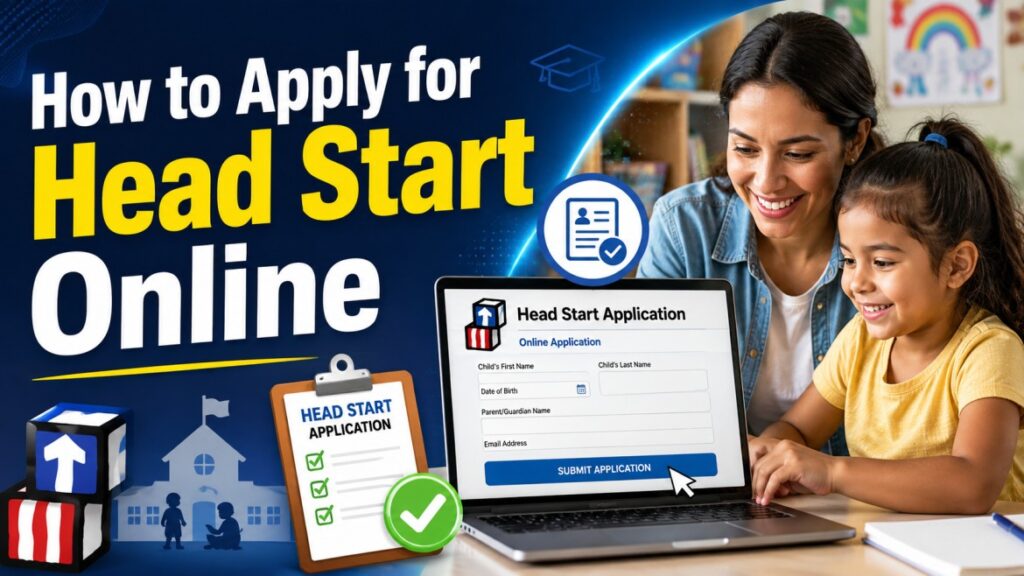
To bridge this gap, the US Department of Health and Human Services (HHS) Administration for Children and Families (ACF) funds Head Start and Early Head Start. These federal programs deliver comprehensive early childhood education, health screenings, nutritional meals, and family development services at zero cost to eligible participating families.
Whether you have a newborn, a toddler, or a child preparing to enter kindergarten, applying for Head Start provides your child with foundational learning tools during their most critical formative years.
In this comprehensive 2026 benefit guide, we cover eligibility guidelines, program differences between Head Start and Early Head Start, required paperwork, and step-by-step instructions for applying online through official federal tools.
Understanding Head Start vs. Early Head Start
Federal Head Start programs are divided into two distinct age-based initiatives designed to support children from birth until school age:
1. Early Head Start (Ages 0 to 3 & Expectant Mothers)
Early Head Start serves pregnant women, infants, and toddlers under three years of age. Programs focus on supporting healthy prenatal outcomes, enhancing infant-toddler physical and cognitive development, and strengthening parental bonding through center-based care or structured home visiting services.
2. Head Start (Ages 3 to 5)
Head Start serves preschool-aged children between three and five years of age. Programs focus on early literacy, basic mathematics, social-emotional development, and classroom structured routines to ensure children are fully prepared to enter kindergarten.
Core Eligibility Requirements for Head Start Programs
Federal guidelines determine eligibility for Head Start and Early Head Start based primarily on household income and specific family circumstances.
1. Income-Based Eligibility
Family income must be at or below the Federal Poverty Guidelines published annually by HHS. For example, a family of three earning under 25,820 USD annually or a family of four earning under 31,200 USD meets baseline income requirements.
2. Categorical (Automatic) Eligibility
Families automatically qualify for Head Start regardless of their total earned income if they meet any of the following criteria:
- Public Assistance: The family receives Supplemental Security Income (SSI) or Temporary Assistance for Needy Families (TANF).
- SNAP Food Stamps: The family receives Supplemental Nutrition Assistance Program (SNAP) benefits.
- Foster Care: The child applying is currently placed in foster care.
- Homelessness: The family meets the federal definition of homelessness under the McKinney-Vento Homeless Assistance Act (such as living in shelters, temporary motels, or doubled-up housing).
3. Disability Accommodations
At least 10% of total enrollment slots in every local Head Start program are reserved for children with confirmed disabilities or special needs (including children with Individualized Education Programs or Individualized Family Service Plans), regardless of household income.
Comprehensive Services Provided by Head Start Programs
Head Start is not simply a daycare service; it provides holistic child development through four core service areas:
- Early Education & Learning: Certified early childhood educators deliver evidence-based curricula in reading readiness, vocabulary, counting, arts, and social interaction.
- Health & Dental Care: Programs conduct free vision, hearing, developmental, and dental screenings, helping families establish permanent medical homes.
- Nutritious Meals & Snacks: Children receive free, balanced daily breakfasts, hot lunches, and afternoon snacks funded through the USDA Child and Adult Care Food Program (CACFP).
- Family Support Services: Family advocates assist parents with career development, adult literacy, housing assistance, and emergency community resources.
Required Documents Checklist Before Applying
Gathering the following verification documents before starting your application accelerates your local program’s intake review:
- Proof of Child’s Age: Official birth certificate, adoption paperwork, hospital birth record, or passport proving the child’s age.
- Proof of Household Income: W-2 forms, 1040 tax returns, recent pay stubs covering the past 12 months, or official award letters for TANF, SSI, or SNAP.
- Proof of Residency: Utility bill, lease agreement, or driver’s license showing your current residential address.
- Immunization & Health Records: Up-to-date state immunization record and recent physical examination form signed by your pediatrician.
Step-by-Step Guide to Applying for Head Start Online
Head Start programs are operated locally by non-profit organizations, community action agencies, and school districts under federal grants.
Step 1: Use the Official HHS Head Start Center Locator
Navigate to the official federal Head Start portal at eclkc.ohs.acf.hhs.gov/center-locator. Type your home zip code or city and state into the search bar.
Step 2: Select Local Programs in Your Area
The locator tool will display a list of all authorized Early Head Start and Head Start centers located near your home, including center addresses, operating hours (Full-Day, Half-Day, or Home-Based), and direct contact phone numbers.
Step 3: Access the Online Intake Portal or Contact the Center
Click on the website link for your local program center or call their intake office directly. Most modern Head Start agencies provide an Online Pre-Application Form on their local website where parents can enter family details, child birth dates, and contact information.
Step 4: Submit Required Verification Documents
Upload your income proof, child’s birth certificate, and proof of address through the local agency’s secure document portal, or drop off copies during a scheduled intake appointment.
Step 5: Complete the Intake Interview & Selection Review
A family advocate from your local Head Start agency will contact you to conduct a brief intake interview, assess family priorities, and confirm your child’s placement on the program enrollment list.
Head Start vs. Early Head Start Program Comparison Table
The table below outlines key operational differences between Early Head Start and Head Start:
| Program Name | Target Age Group | Primary Educational Focus | Income Eligibility Basis | Common Program Setting |
|---|---|---|---|---|
| Early Head Start | Infants, Toddlers & Pregnant Women | Motor skills, language, bonding | At or below Federal Poverty Line | Center-Based or Home Visiting |
| Head Start | Children Ages 3 to 5 (Preschool) | Kindergarten readiness, literacy, math | At or below Federal Poverty Line | Center-Based Classroom Settings |
Frequently Asked Questions
Is Head Start completely free for eligible families?
Yes. Head Start and Early Head Start are 100% free federal programs. Participating families do not pay tuition, registration fees, or charges for daily meals and educational supplies.
Can I apply for Head Start if my income is over the federal poverty line?
Yes. Up to 10% of enrollment slots in a local program can be granted to families with incomes exceeding the Federal Poverty Guidelines if they have special needs or unique family hardship factors.
What is the difference between Head Start and standard public school pre-K?
Public school pre-K programs focus primarily on academic instruction for four-year-olds. Head Start serves children from birth to age five and provides comprehensive wraparound health screenings, dental care, family support, and nutritious meals alongside early education.
How long does it take to get accepted into Head Start?
Application processing depends on local enrollment openings. Many centers maintain year-round waitlists, so parents are encouraged to apply as early as possible before the start of the school year.
Disclaimer: Applying for Head Start or Early Head Start provides your child with essential early learning, health, and social tools at zero cost. By utilizing the federal Head Start Center Locator, gathering income and age verification, and submitting an online intake application, you can give your child a head start toward academic success.