If you’re looking for ways to stretch your monthly grocery budget, growing your own fresh produce might be the answer — and yes, you can buy seeds with EBT at most local stores. It sounds almost too good to be true. Most people think of SNAP (Supplemental Nutrition Assistance Program) benefits as being limited to pre-packaged groceries, bread, milk, and meat. But there’s a little-known federal rule that lets SNAP recipients purchase food-producing seeds and plants too.
That’s right — you can use your benefits to start your own backyard vegetable garden.
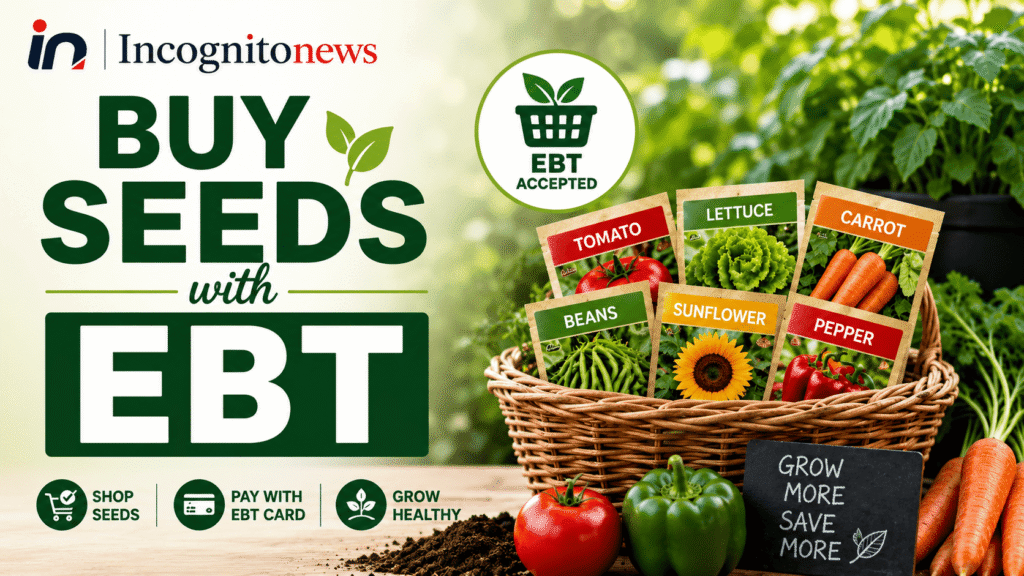
In this guide, we’ll walk you through the official rules for buying gardening supplies with EBT, including which plants and fruit trees qualify, any restrictions you should know about, and where you can actually shop for them.
The Surprising USDA Rule on Gardening
The federal government has actually supported home gardening for decades. When Congress passed the Food Stamp Act back in the late twentieth century, they included a provision that allowed recipients to buy seeds and food-producing plants. The United States Department of Agriculture (USDA) promotes this rule because growing your own food is one of the most cost-effective ways to access fresh, nutritious produce.
For every dollar you spend on seeds and soil, you can harvest dozens of dollars worth of fresh vegetables.
What Types of Seeds and Plants Qualify?
The rules regarding what you can buy are very specific. The core requirement is that whatever you buy must produce food for human consumption. You cannot use your EBT card to buy decorative flowers or landscaping plants.
1. Vegetable and Herb Seeds
You can buy almost any seed that grows into edible food. This includes tomato seeds, peppers, cucumbers, lettuce, squash, carrots, and beans. You can also buy seeds for culinary herbs like basil, cilantro, parsley, rosemary, and thyme.
2. Food-Producing Plants
If you do not want to start from seed, you can buy starter plants. This includes young tomato plants, pepper starts, or strawberry patches. As long as the plant is designed to grow edible food, it is eligible.
3. Can We Buy Fruit Trees with EBT?
Yes, We can. This is one of the biggest surprises for most cardholders. You can use your EBT card to buy fruit-bearing trees like apple, peach, cherry, or citrus trees. You can also purchase berry bushes, such as blueberry, blackberry, or raspberry bushes. Because these plants live for many years, they offer a massive long-term return on your initial benefits.
What is strictly Excluded under EBT Rules?
While the gardening rules are generous, you must avoid non-food items at the register. The cashier will flag these items, and you will have to pay for them out of pocket.
- Decorative Flowers: You cannot buy marigolds, roses, petunias, or other purely ornamental flowers. However, if a flower is edible (like nasturtiums or lavender), it might technically qualify, though some cashiers may not be familiar with the rule.
- Soil and Fertilizer: You cannot buy bags of potting soil, compost, mulch, or plant food with EBT.
- Gardening Tools: Rakes, shovels, garden hoses, pots, and seed starter trays are strictly prohibited.
- Pesticides: Chemical bug sprays and weed killers must be purchased using cash or a standard credit card.
Where Can You Swipe Your EBT Card for Seeds?
Finding a store that accepts EBT for seeds and starter plants is easier than you think. Any retailer that is already authorized to accept SNAP benefits and sells gardening supplies must allow you to buy eligible seeds and plants with your card.
1. Big-Box Retailers
Stores like Walmart, Home Depot, and Lowe’s accept EBT. If you buy seed packets or vegetable starters in their garden centers, the checkout register will automatically recognize them as EBT-eligible.
2. Local Nurseries and Garden Centers
Many independent local nurseries accept EBT, though you should call ahead to confirm. They often have a wider selection of starter plants and fruit trees that are acclimated to your local climate.
3. Farmers Markets
This is a great option. Many local farmers markets participate in EBT programs. In many states, programs like “Double Up Food Bucks” will match your EBT spending dollar-for-dollar when you buy fresh produce or food-producing plants at a farmers market. This means you can get double the amount of tomato plants or berry bushes for your money.
4. Online Retailers
You can buy seeds online using your EBT card on Amazon. Just make sure the seed packets are marked as EBT-eligible before adding them to your cart.
The Financial Return: How Much Can You Save by Growing Your Own Food?
Many financial experts advocate for home gardening because the return on investment is incredibly high. If you buy a single packet of tomato seeds using your EBT benefits, it will usually cost under three dollars. From that single packet, you can grow up to fifteen plants. Under proper care, those fifteen plants can yield over one hundred fifty pounds of fresh tomatoes during a single summer season.
Buying one hundred fifty pounds of organic tomatoes at a standard US supermarket would easily cost over three hundred dollars. By investing a small portion of your EBT balance into seeds, you effectively multiply the purchasing power of your food stamps.
This math applies to many other crops:
- Fresh Herbs: Buying small plastic containers of fresh basil or rosemary at the store costs three to four dollars per pack. A single herb plant grown in your backyard will provide fresh leaves for months at a fraction of the cost.
- Zucchini and Squash: These plants are notorious for producing massive yields with very little maintenance, making them perfect for beginners.
- Berry Bushes: While a container of fresh blackberries can cost five dollars, a single blackberry bush bought with EBT will grow larger every year, providing free fruit for a decade.
FAQ : Common Misconceptions About EBT Gardening
Because this rule is not widely publicized, you might run into issues at the checkout lane. It is helpful to know how to handle these situations.
1. The cashier said I can’t buy this.
Sometimes, cashiers are not trained on the specific USDA gardening rules. If a cashier refuses to let you buy vegetable seeds with your EBT card, ask to speak to a manager. You can politely explain that under federal USDA guidelines, seeds and plants that produce food are fully eligible for SNAP purchases. Most store registers are programmed automatically, so once the item is scanned, it should register as eligible without the cashier needing to manually approve it.
Can I buy seeds for tea?
Yes. Mint plants, chamomile, and other herbs used to brew tea are considered food items and are fully eligible.
Can I buy seeds for microgreens?
Yes. Microgreen seeds and sprouting seeds are eligible as long as they are intended for human consumption.